The dancing
Powwow dance styles and regalia
What a powwow is, why the clothing is called regalia, and the dance styles you may hear named, from fancy dance to grass dance and the jingle dress.
Reserve your seat for dinner and dance ↗Quick answer
A powwow is a gathering with dances held by many Native American and Canadian First Nations communities. The clothing that participants wear is called regalia and should not be called a costume. Common dance styles include fancy dance, grass dance and traditional dance, and the women's styles include the fancy shawl and the jingle dress. Red Heritage in Page says it shows several styles of powwow dancing.
What a powwow is
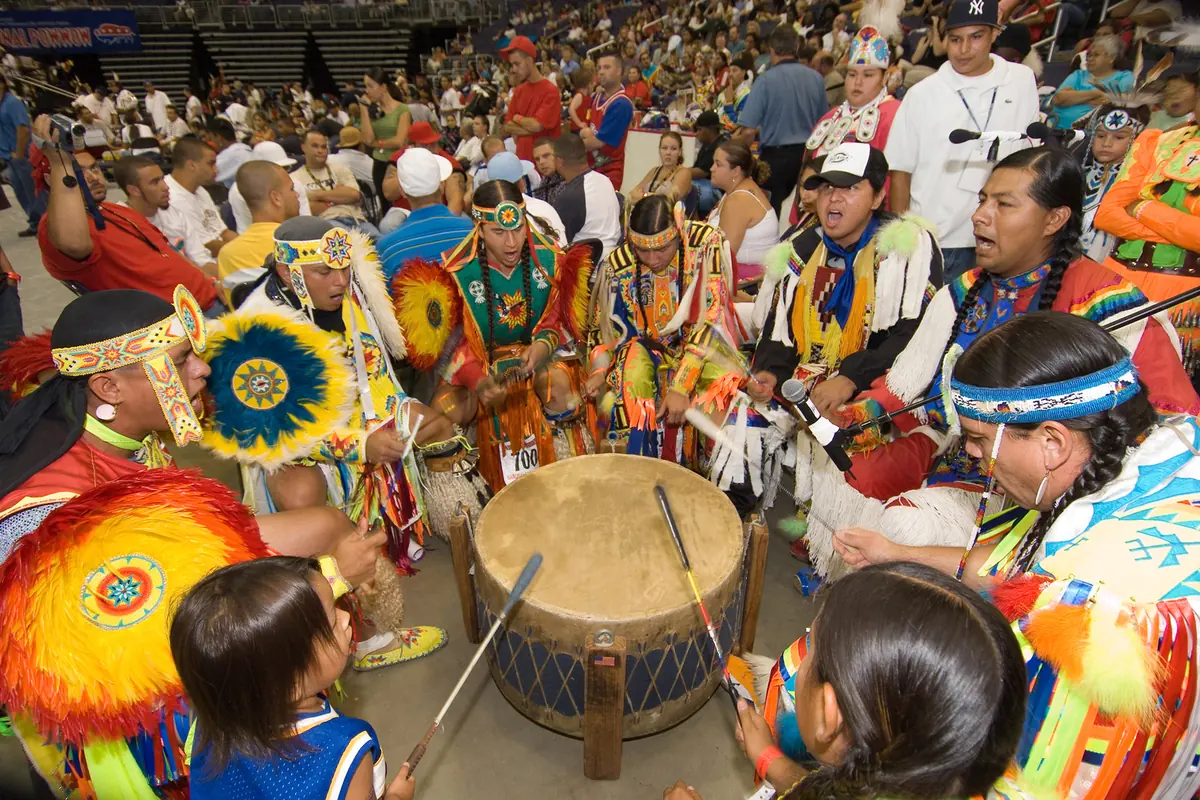
A powwow, also written pow wow, is a gathering with dances held by many Native American and Canadian First Nations communities. Inaugurated in 1923, powwows today are an opportunity for Indigenous people to socialise, dance, sing and honour their cultures. They may be private or public, indoors or outdoors, and the dancing can be competitive with monetary prizes. A dinner show is not the same as a community powwow.
Where the styles come from
The styles and types of dances at a powwow are descended from the traditions of the Great Plains nations of Canada and the United States. The Navajo are a different people with their own traditions, and powwow dancing is held by many nations today. The Page organiser describes its dancing as several styles of powwow dancing, so this guide explains the family of styles and does not claim that any particular dance will appear.
Regalia, not costume
The clothing worn by participants is referred to as regalia and should not be called a costume. This is one of the first points of etiquette, and it is worth keeping when you talk to dancers after a show. The styles described below each have their own regalia, with bustles, fringe, shawls or jingle dresses. Wikipedia adds that it is important to avoid touching individuals or their regalia without permission, and that rule applies to a visitor at a dinner show as much as to a spectator at a gathering.
Fancy, grass and traditional
Fancy dance is a dance featuring vivid regalia with dramatic movement, including spins and leaps, and its dancers are distinguished by bright-coloured regalia with two large bustles. Grass dance has regalia with long, flowing fringe and designs reminiscent of grass blowing in the wind. Traditional dance features traditional regalia, and the movements are based on a warrior scouting before a battle or on other storytelling traditions.
Women's styles
Women's dances include the fancy shawl, a dance featuring women wearing brilliant colours and a long, usually fringed and decorated, shawl, with rapid spins and elaborate steps. The jingle dress has a skirt with hundreds of small tin cones that make noise as the dancer moves, with light footwork danced close to the ground, and it is known as a healing dance. Traditional styles for women are danced with precise, highly controlled movement. Dancers are grouped by style and by age at competitions.
The drum and the singers
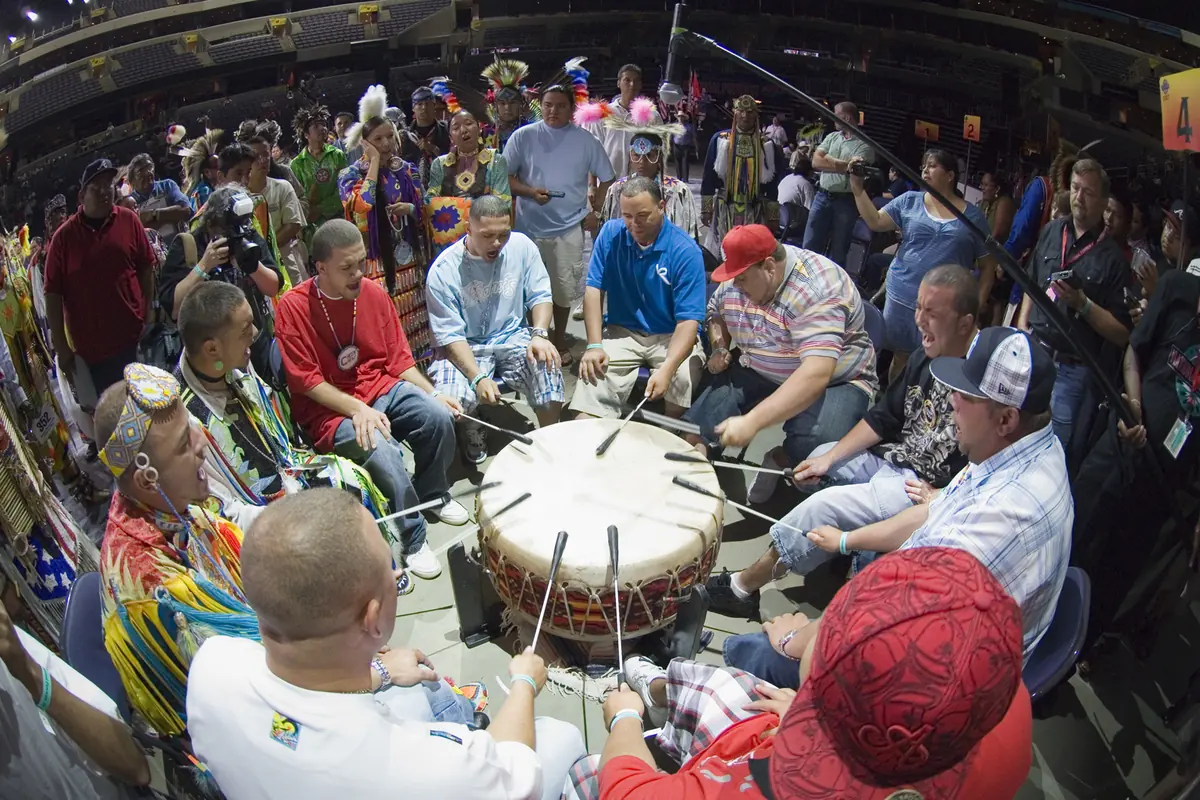
There may be many drums at a powwow, but each one features a host drum, which is accorded great respect. The members of drum groups are often family, extended family or friends, and groups are named for families, places or societies. Readily noticeable in performances are the hard beats used to indicate sections of a song. A guest quoted on the Page organiser's site calls the drum group incredible, and the organiser says the evening moves from a flute to an energetic live drum.
Etiquette for an audience
Pow wow etiquette includes guidelines on acceptable behaviour, such as rules for photography and protocol during the Grand Entry. Common practices emphasise respect for participants and traditions, and they include refraining from touching or playing the drums unless you are part of the drum group. At the Page theater, photos and video are welcome, flash photography is not permitted, and there is time at the end for photos with the dancers.
Who this isn't for
A seated show is not a powwow, so it will not give you the full social gathering, with its many drums, a long Grand Entry and community dancing. The tradition is also not one thing: styles differ from nation to nation and from region to region. If you want the real gathering, look for a public powwow near you, and treat the dinner show as an introduction. The ticket for the Page show is not suitable for people with epilepsy.
Frequently asked questions
Is it a costume or regalia?
Regalia. The clothing worn by participants is called regalia and should not be called a costume.
Which styles will the Page show include?
The organiser says it shows several styles of powwow dancing and does not name them on the ticket.
Can I ask a dancer about their regalia?
Yes, in the slot at the end of the evening, which the ticket describes as time for photos with the dancers and for questions.
Sources